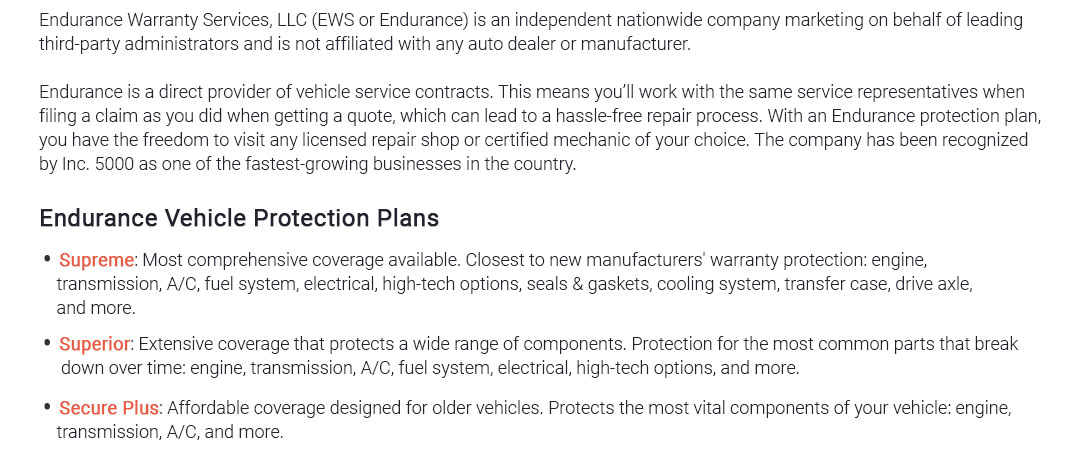
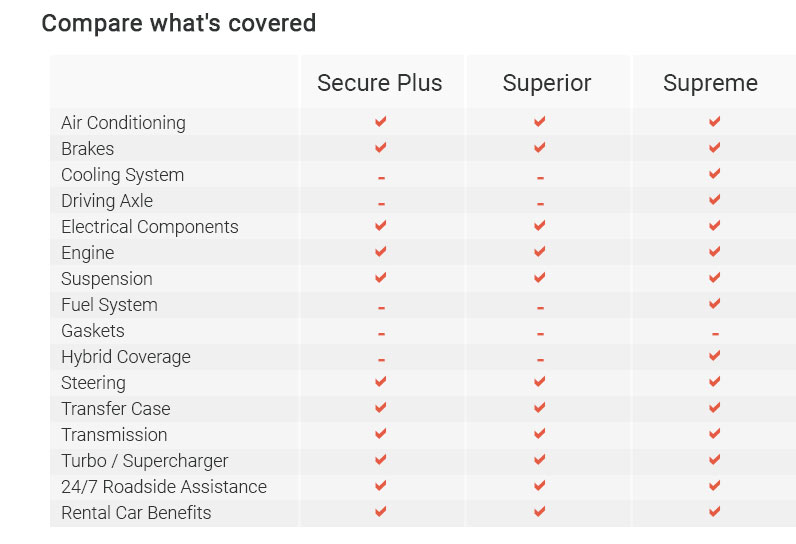
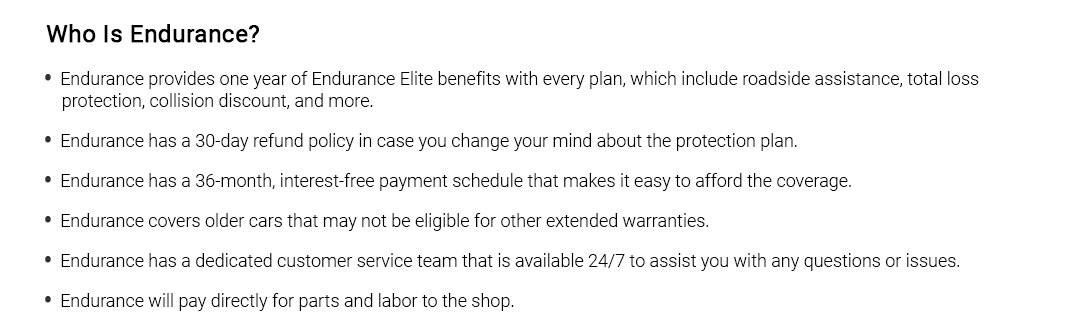
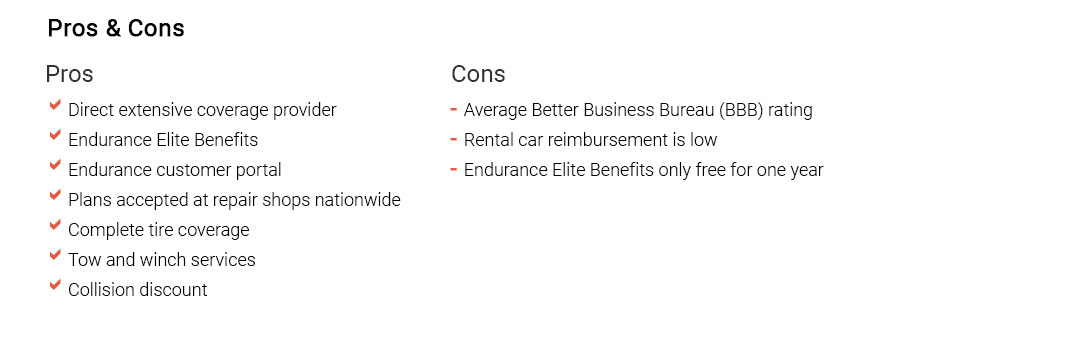
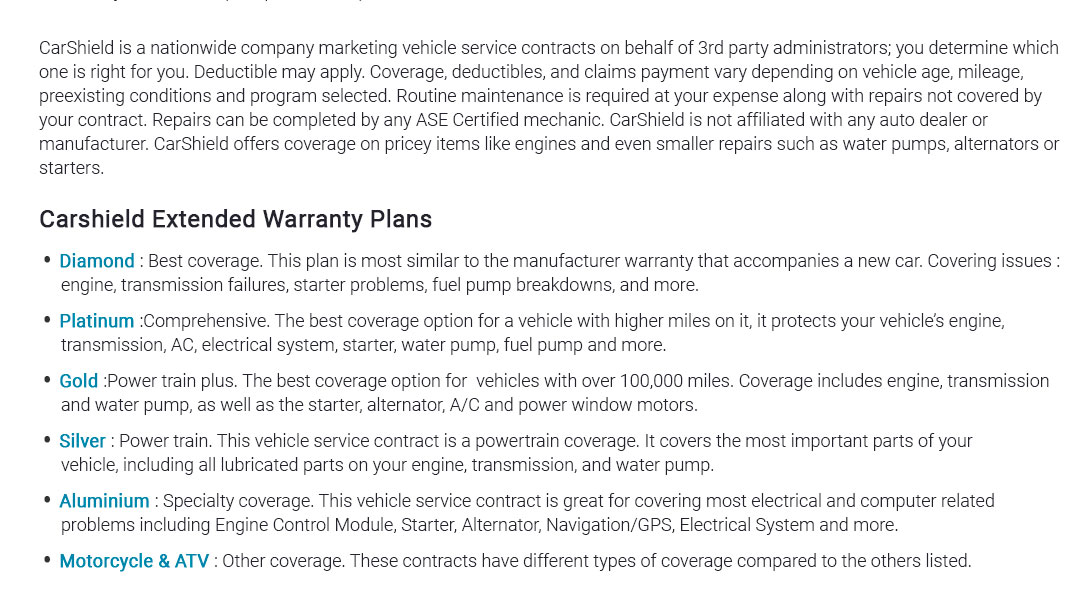
warranty coverage insurance extends or supplements the protection you already have from a manufacturer or retailer. It steps in after the original warranty expires, or fills gaps the basic warranty leaves open. Think of it as a backup plan you choose deliberately, not a default add-on.
The core promise is simple: covered repairs get paid for, so surprise bills are less likely. The nuance lives in the contract wording, timing, and limits.
Who benefits and when it saves money
High-use items: phones, laptops, appliances, HVAC units. Frequent use increases failure odds; coverage may pay for itself.
Budget predictability seekers: if a $600 repair would derail your month, spreading risk via premium plus deductible can be gentler.
Owners past the early failure curve: after a year or two, defects give way to wear; that's where coverage often kicks in.
People far from service centers: plans with on-site service can save travel and time costs.
Step-by-step evaluation
Map your baseline: list existing protections - manufacturer warranty length, retailer return window, credit card extended warranty.
Estimate failure cost: find realistic repair quotes for the exact model. Use two numbers: conservative and worst case.
Price the plan: note premium, term length, deductible per claim, service fees, shipping, and downtime cost to you.
Compare apples-to-apples: annualize costs. Example: $180 for 3 years is $60 per year; add an average of one $75 deductible every other year if claims are likely.
Check exclusions: pre-existing damage, cosmetic issues, batteries, accessories, and liquid damage may be restricted or require add-ons.
Assess claims friction: look for online portals, average turnaround, approved repair networks, and parts guidelines.
Decide with thresholds: buy if expected claims value exceeds total cost by a margin you're comfortable with; skip or self-insure otherwise.
Key terms decoded
Deductible: the portion you pay per claim before coverage applies.
Per-claim limit: the maximum the insurer pays for a single incident.
Aggregate limit: total payout allowed over the policy term.
Wear-and-tear: normal deterioration; sometimes covered, often limited.
Accidental damage: drops and spills; usually requires a specific plan tier.
No-lemon: replacement after multiple failed repairs of the same issue.
Common pitfalls and how to avoid them
Late purchase: some plans require buying within 30 days of product purchase; mark your calendar.
Unauthorized repairs: fixing it yourself can void coverage; use approved centers.
Missing proof: store receipts and serial numbers; take a photo of the label now.
Coverage overlap: paying twice for the same period wastes money; coordinate with card benefits.
Costs, deductibles, and value math
Say your premium is 120 per year with a 50 deductible, and typical repair costs average 280 once every two years. Your expected two-year outlay without insurance: about 280. With insurance: 240 in premiums plus 50 when the repair happens, or 290. That's close - so savings hinge on claim likelihood, turnaround time, and extras like loaner devices.
Shift the numbers to a device with a 450 average repair and the equation tilts toward coverage. Small changes matter; evaluation beats guesswork.
Real-world moment
Last spring, I helped Maya compare a laptop plan after her fan began rattling just past the manufacturer's warranty. Her policy covered diagnostics and a same-week fan replacement, total out-of-pocket 49 for the deductible. The repair would have been about 220 otherwise. Not a windfall, but the quick turnaround and no debate on parts quality made it feel like the right call for her schedule.
What is usually covered
Mechanical and electrical failures after the original warranty ends.
Power surge damage if specified.
Accidental damage only on enhanced tiers.
What is often excluded
Cosmetic dings, scratches, and routine cleaning.
Loss or theft unless you add separate coverage.
Consumables like batteries or filters unless explicitly listed.
Pre-existing issues, unauthorized mods, data recovery.
Claim process snapshot
Report promptly: use the portal; include photos and error messages.
Approval and shipping: they send a label or dispatch a tech; note the deductible timing.
Repair or replace: repair first, replace if not economical; some offer store credit.
Documentation: keep the repair invoice for future claims and resale value.
Alternatives and complements
Self-insurance fund: set aside a monthly amount equal to a premium; use it for repairs.
Credit card benefits: many cards extend manufacturer warranties by a year.
Manufacturer extended plans: tighter parts integration, sometimes pricier, often faster service.
Retailer plans: convenient at purchase; compare service networks and deductibles.
Quick checklist before buying
Does the plan start after the factory warranty or overlap it?
Are accidental damage and liquid spills included or separate?
What are the per-claim and aggregate limits?
How fast is service, and are loaners available?
Is the deductible per incident or per repair item?
Can you cancel and get a prorated refund?
Practical savings tips
Bundle multiple devices only if the per-device math still works.
Favor plans that repair with OEM-quality parts to protect resale value.
Choose higher deductibles when failures are rare; lower deductibles if your device is mission-critical.
Track renewal dates and renegotiate or switch if terms drift.
Wrap-up
warranty coverage insurance can trade unpredictable bills for manageable costs, especially after you evaluate real repair prices, overlap with existing benefits, and your tolerance for risk. Run the numbers, verify exclusions, and keep receipts; you'll likely spot a clear direction, and there's always room to revisit as your gear and needs change.
https://www.ahs.com/
Homeowners insurance protects you from things like fires and floods, but what about everyday system and appliance problems? Home warranties cover what your ...
https://www.getvergo.com/define/warranty-insurance
Warranty insurance is a type of insurance coverage that provides protection against the costs of repair or replacement of a product or property in the event ...